
How a Smart Booking Engine Keeps Bookers on Your Hotel Website
Every hotelier wants more direct bookings. Most invest in a beautiful website, a little Google advertising and perhaps a metasearch campaign to bring guests in. Then the guest clicks Book Now, and something quietly goes wrong.
The page looks different from the website. The steps feel long. The guest opens a new tab to compare prices, gets distracted and ends up booking the same room on an OTA an hour later. You paid to bring that guest to your website, and you will now pay commission on their booking too.
The booking engine is where direct booking strategy succeeds or fails. The best ones strike a careful balance. They create enough urgency to keep the guest moving, enough comfort to build trust and enough flexibility to let the guest make a confident choice.
What is a Hotel Booking Engine?
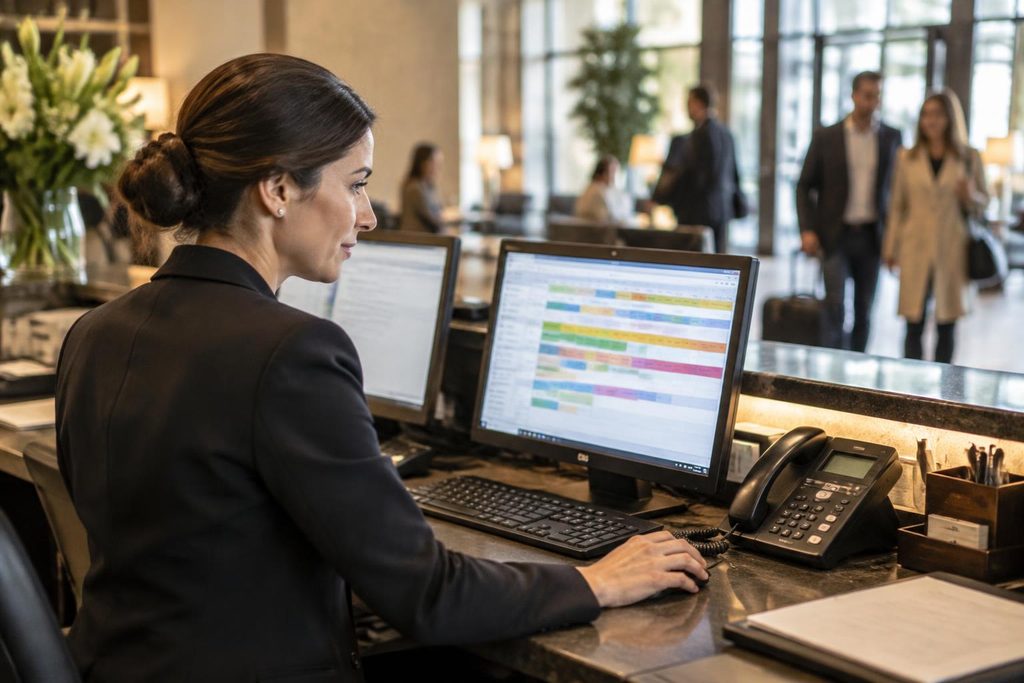
A hotel booking engine is the reservation system that sits on your hotel website and social media pages, allowing guests to check availability, choose a room and pay securely without going through a third party, so the booking and the guest relationship stay with you.
A booking engine connected to your channel manager also shares the same live inventory as your OTAs. When a room sells on your website, it disappears from every other channel instantly, and the reverse is true as well. No double selling, no manual updates.
Why Website Visitors Leave Without Booking
Guests who reach your website are among the most valuable visitors you will ever get. They already know your name, they are actively considering you and their booking carries no commission. Yet many of them still leave.
The reasons are usually small. A booking page that looks generic makes guests wonder whether they are still on the hotel’s site. A long checkout invites second thoughts. A missing sense of urgency lets the guest wander off to compare, and once they are on an OTA comparing prices, the OTA is very good at closing the sale.
Fixing those small gaps is where a smart booking engine earns its place. The Hotel-Spider web booking engine is built around three features that work together to keep the guest moving from first click to confirmation.
Theme Customisation: Make Your Booking Engine Feel Like Home
Trust is the foundation of every direct booking. When a guest moves from your website into the booking flow, the experience should feel seamless. Same colours, same fonts, same imagery, same tone.
Theme customisation lets you dress your booking engine in your hotel’s brand. Your logo sits at the top, your signature colours guide the buttons and your best photography sells each room type. For a boutique property, a luxury resort or a heritage hotel, those details matter. They tell the guest they are in the right place, dealing directly with the hotel they chose.
A branded booking engine also makes your direct channel feel premium. Guests should feel that booking with you directly is the better experience, not a compromise. When the booking page reflects the same care as your lobby, guests are far more likely to complete their reservation.
The 10-Minute Payment Slot: A Ticking Clock That Binds the Booker
The most fragile moment in any booking journey is the pause just before payment. The guest has picked a room and added their details, and then they hesitate. Maybe they want to check one more site. Maybe they want to ask their partner. Every minute of hesitation increases the chance they never return.
The Hotel-Spider 10-minute payment slot addresses that moment directly. Once the guest reaches payment, the room is reserved for them and a clear countdown timer appears on the screen. The message is simple and reassuring. This room is held for you, and you have ten minutes to confirm it.
The timer works for two reasons. First, it creates gentle urgency. Guests understand that availability is real and limited, which encourages them to finish the booking instead of wandering off. Second, it builds confidence. Knowing the room is held removes the anxiety of losing it while entering card details. The ticking clock isn’t pushy. It is a helpful signal that keeps the guest focused on completing what they started.
The 20-Minute Booking Window: Saving Time for Guests and Hotels
Urgency only works when it is balanced with flexibility. Guests booking a family holiday or a long stay often want to compare room types, review packages or add breakfast and airport transfers. Rush them too much and they abandon the booking altogether.
The 20-minute booking window gives guests enough time to explore their options comfortably within a single session. It respects the way people really book while still giving the journey a clear end point.
The window saves time for your hotel too. When a session runs out without a booking, any inventory the guest was looking at is released back to sale automatically. Rooms don’t sit blocked by abandoned carts, and your team never has to chase or release them manually. Your availability stays accurate across every channel, which protects you from both lost sales and overbookings.

Finding the Balance Between Urgency and Experience
Booking engine strategy is a balancing act. Lean too hard on pressure and the experience feels like a hard sell, which damages the premium image most hotels work hard to build. Lean too far the other way and guests drift off to compare, often landing on an OTA.
The combination of a 20-minute booking window and a 10-minute payment slot gets that balance right. Guests get time to browse and decide, then a clear, friendly nudge at the point of payment. Wrap both inside a booking engine that looks and feels like your hotel and you have a direct booking journey that converts without compromising your brand.
There are a few simple ways to strengthen the effect further. Show the best available rate clearly so guests don’t feel the need to check elsewhere. Highlight direct booking perks such as free breakfast, early check-in or a room upgrade. Keep the number of steps to a minimum and make sure the whole flow works smoothly on mobile, where a large share of travel browsing now begins.
One Connected System Behind Every Booking
A smart booking engine is most powerful when it is part of a connected distribution system. Hotel-Spider links your booking engine with its channel manager, metasearch connections and payment automation, so every direct booking updates your inventory everywhere in real time and every payment is handled securely. Your website becomes a genuine sales channel, not just a brochure.
Key Takeaways
Guests who reach your website are your most valuable visitors, and the booking engine decides whether they stay. Theme customisation builds trust by keeping your brand consistent from first click to confirmation. The 10-minute payment slot holds the room and adds gentle urgency at the moment guests are most likely to hesitate, while the 20-minute booking window gives them time to choose and automatically frees up unbooked rooms. Together they balance urgency with experience and turn more website visits into commission-free bookings.
Your guest already chose you. Make sure your booking engine closes the deal.
See the Hotel-Spider Booking Engine in Action
Want to know how many of your website visitors are slipping away before payment? Book a free demo at hotel-spider.com and see how theme customisation, the 10-minute payment slot and the 20-minute booking window work together to turn lookers into direct bookers.